
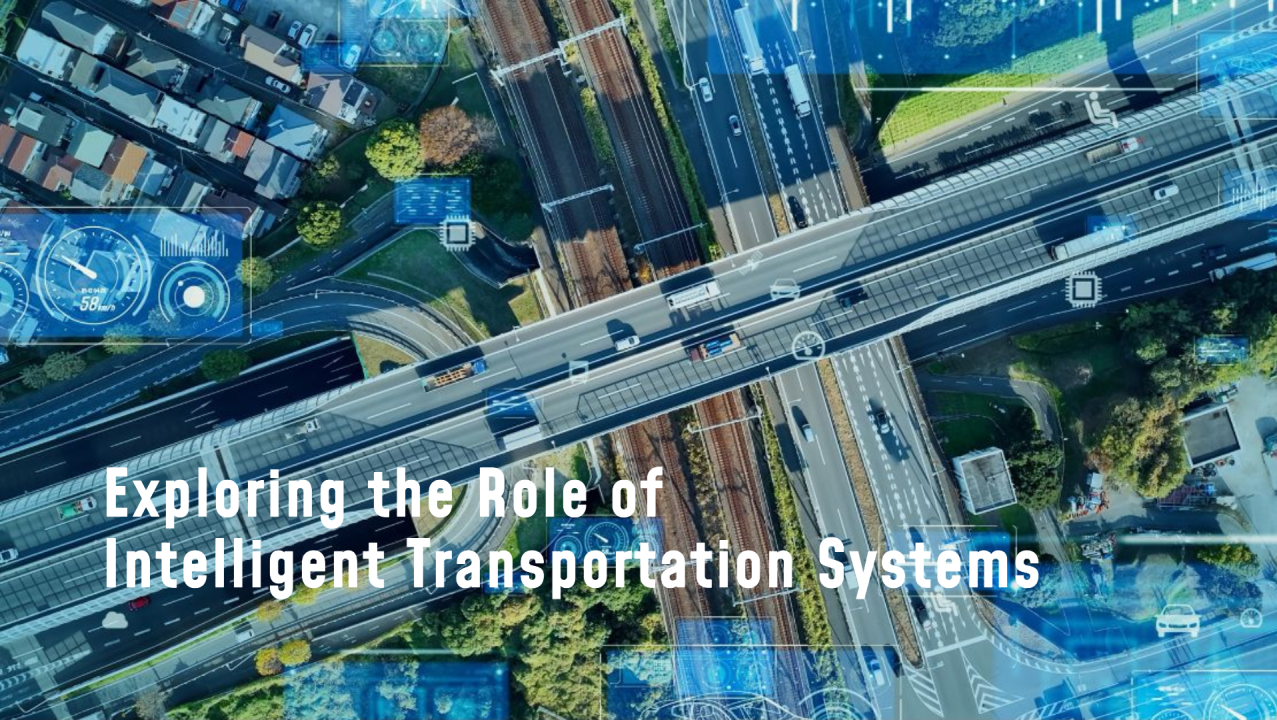
Artificial intelligence is transforming urban mobility at a rapid pace, reshaping how cities manage transportation and infrastructure. As urban populations continue to grow, traditional transport systems are becoming inefficient and unable to handle increasing demand.
AI urban mobility is emerging as a powerful solution, enabling cities to optimize traffic, improve public transportation, and create more sustainable environments. This shift is not theoretical. It is already happening in cities around the world.
The Growing Challenge of Urban Mobility
Urban mobility has become one of the most critical challenges for modern cities. Rising population density and increasing vehicle usage are placing immense pressure on transportation systems.
Common issues include:
- Traffic congestion during peak hours
- Inefficient public transport systems
- Increased travel time
- Environmental pollution
- Lack of coordination across networks
Expanding infrastructure alone is no longer a viable solution. Cities need intelligent systems that can adapt in real time.
What Is AI Urban Mobility?
AI urban mobility refers to the use of artificial intelligence, machine learning, and data analytics to optimize transportation systems within cities.
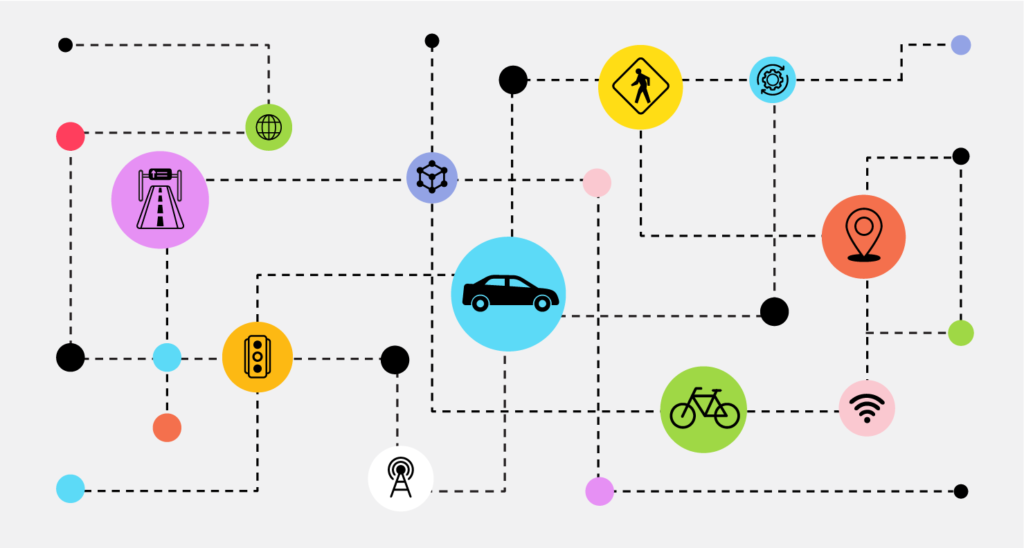
These systems rely on real-time data collected from:
- Traffic cameras and sensors
- GPS and mobile devices
- Public transport networks
- Connected vehicles
AI processes this data to improve traffic flow, predict demand, and enhance overall efficiency.
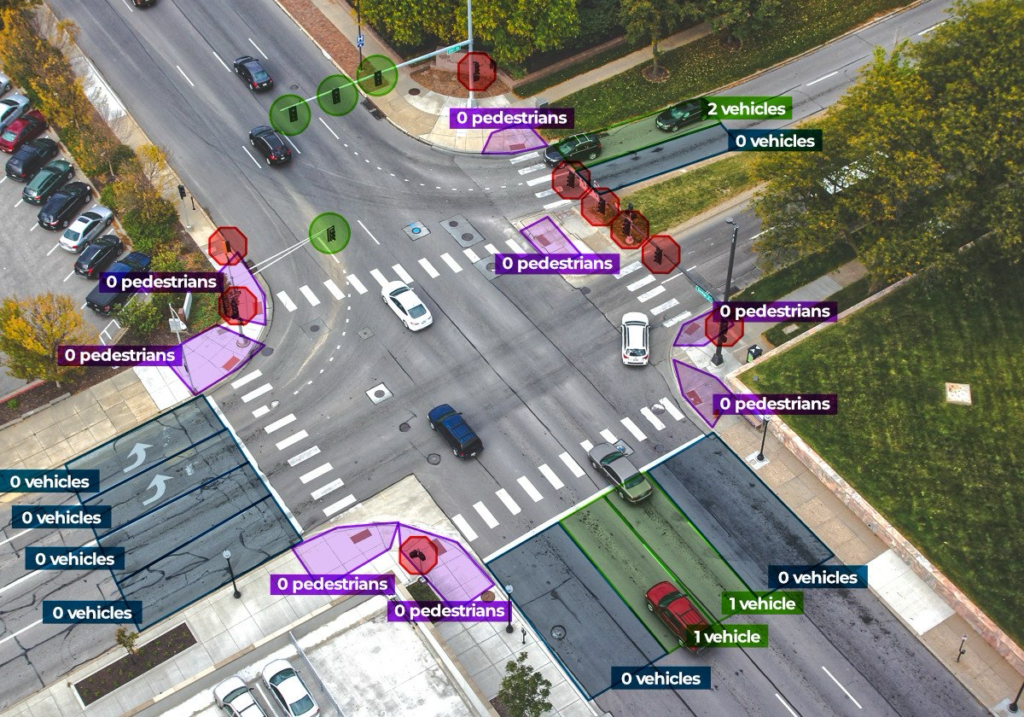
One of the most impactful applications of AI urban mobility is real-time traffic optimization.
AI-powered traffic systems can:
- Adjust signal timings dynamically
- Reduce congestion at intersections
- Improve vehicle movement efficiency
- Minimize waiting time
These systems replace fixed traffic signals with adaptive solutions that respond instantly to traffic conditions.
AI does not only react to traffic conditions, it predicts them.
Using historical and real-time data, AI can:
- Forecast congestion before it occurs
- Suggest alternative routes
- Optimize traffic distribution
- Improve travel planning
This predictive capability allows cities to move from reactive to proactive traffic management.
Enhancing Public Transportation
Public transportation plays a key role in urban mobility. AI is making these systems more efficient and reliable.
AI applications include:
- Demand prediction for buses and trains
- Dynamic scheduling based on passenger flow
- Route optimization
- Reduced overcrowding
These improvements make public transport more attractive and reduce reliance on private vehicles.
Environmental Impact of AI Urban Mobility
Transportation is a major contributor to urban pollution. AI urban mobility systems help reduce environmental impact by improving efficiency.
Benefits include:
- Reduced idle time in traffic
- Lower fuel consumption
- Decreased emissions
- Optimized route planning
Smart mobility contributes to cleaner and more sustainable cities.
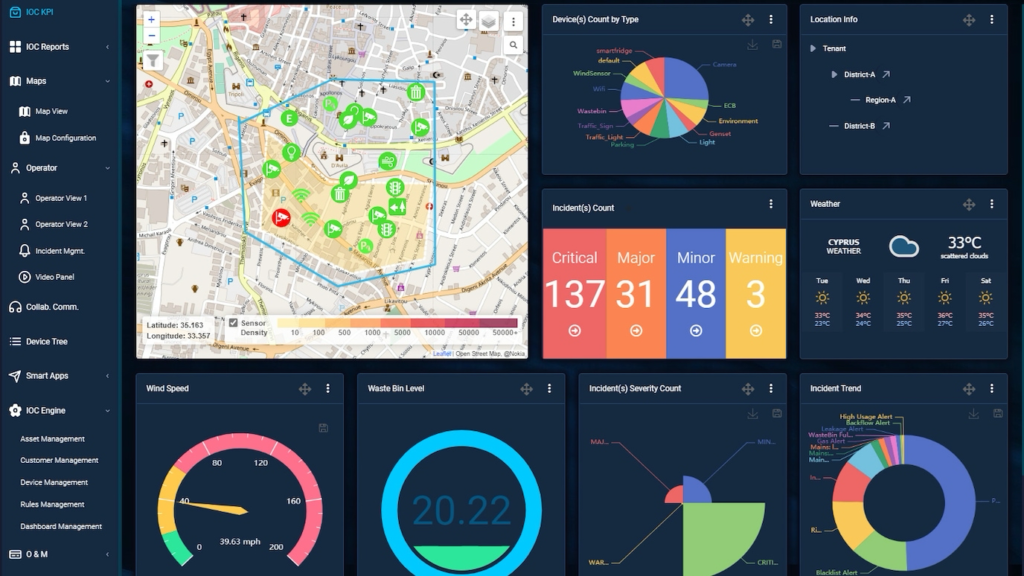
AI urban mobility is part of a larger smart city ecosystem. It integrates with:
- Energy systems
- Infrastructure monitoring
- Emergency services
- Urban planning
This interconnected approach enables cities to operate more efficiently.
For a deeper understanding of how AI is transforming urban systems, explore:
Challenges and Limitations
Despite its benefits, AI urban mobility faces several challenges:
- Data privacy concerns
- High implementation costs
- Infrastructure requirements
- System integration issues
Cities must address these challenges to fully leverage AI systems.
The Future of AI in Urban Mobility
The future of urban mobility will be driven by intelligent systems. AI will continue to evolve and integrate with technologies such as autonomous vehicles and connected infrastructure.
Cities adopting AI will benefit from:
- Reduced congestion
- Improved efficiency
- Enhanced sustainability
- Better quality of life
Conclusion
AI urban mobility is transforming how cities function. By using real-time data and predictive analytics, cities can optimize transportation systems and improve urban life.
As smart cities continue to develop, AI will play a central role in shaping the future of mobility.
