
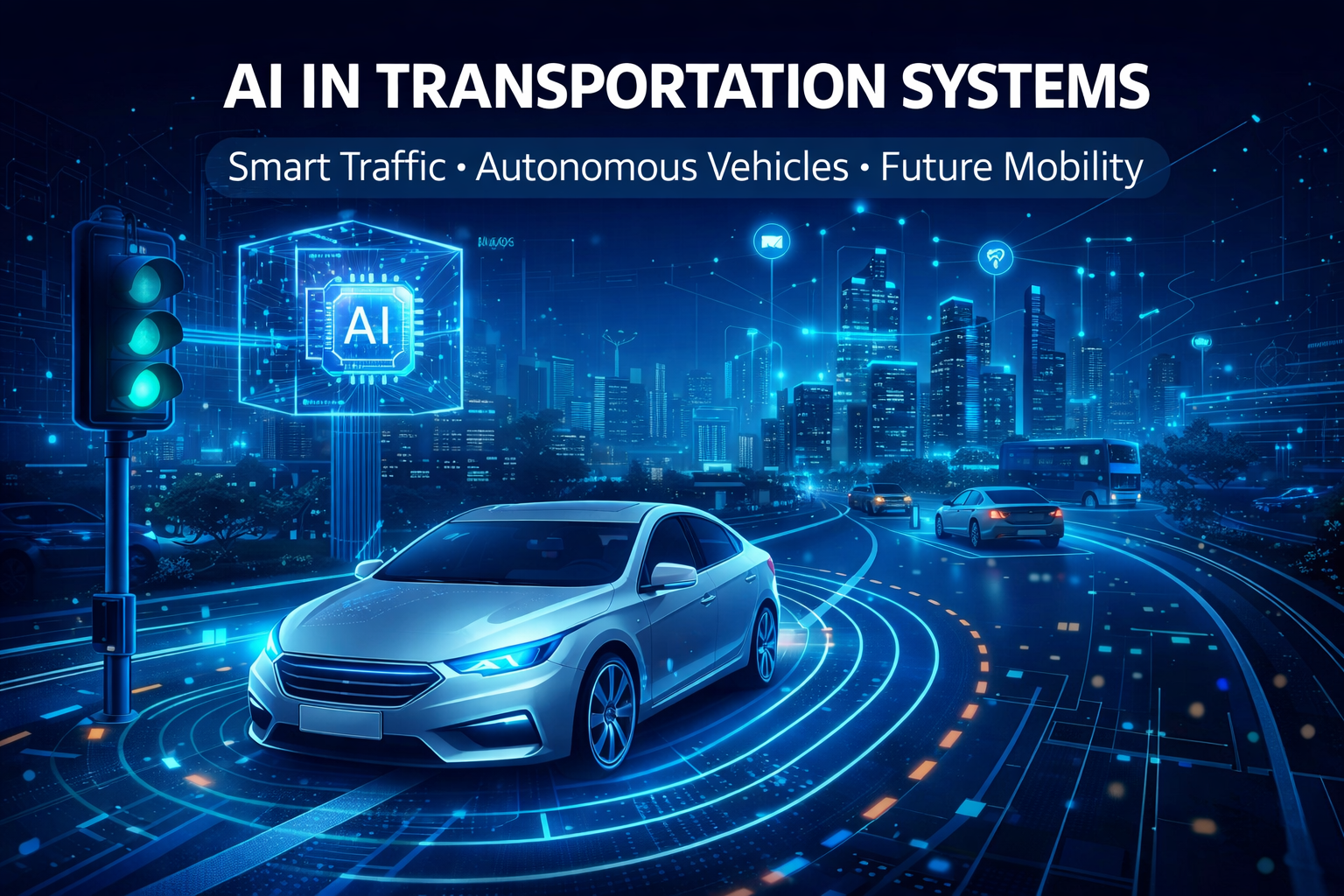
Artificial intelligence is rapidly transforming many industries, and AI in transportation systems is becoming one of the most important technological developments of the modern era. From traffic management to autonomous vehicles, artificial intelligence is helping cities improve efficiency, reduce congestion, and enhance road safety.
As transportation networks continue to grow in complexity, technologies based on artificial intelligence are being used to analyze data, predict traffic patterns, and optimize mobility systems. These innovations are shaping the future of how people and goods move across cities and countries.
What Is AI in Transportation Systems?
AI in transportation systems refers to the use of artificial intelligence technologies to improve how transportation networks operate. These systems use algorithms, sensors, and data analysis to make transportation more efficient and responsive.
Artificial intelligence in transportation can help:
- monitor traffic flow in real time
- reduce road congestion
- improve safety and accident prevention
- optimize public transportation schedules
- support smart city infrastructure
By processing large amounts of data quickly, AI transportation technology allows governments and transportation authorities to make better decisions.
AI in Traffic Management
One of the most important applications of AI in transportation systems is traffic management. Cities around the world face increasing challenges related to congestion and inefficient traffic flow.
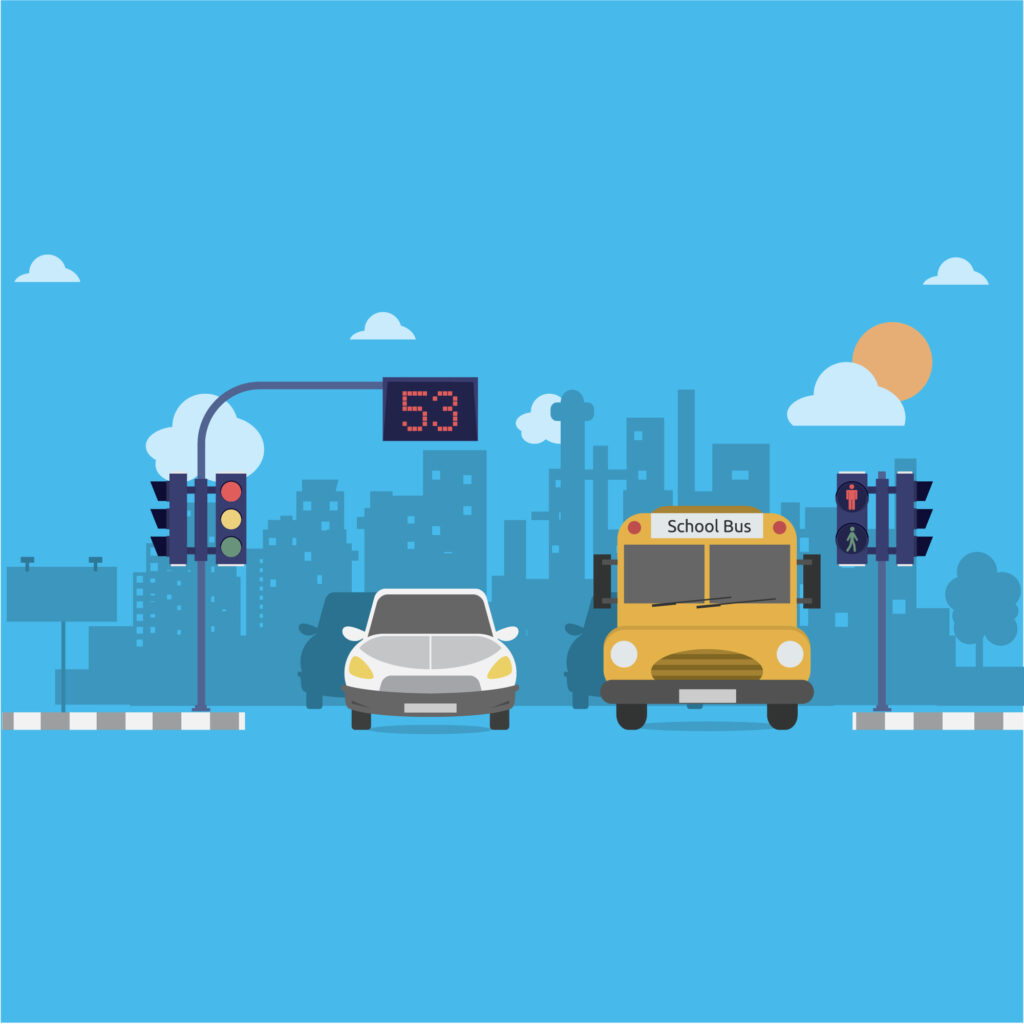
Artificial intelligence systems can analyze traffic data collected from cameras, sensors, and GPS devices to understand patterns and predict traffic conditions. These insights allow traffic control systems to adjust signals and routes dynamically.
For example, smart traffic lights powered by AI can change signal timings based on current traffic conditions. This reduces waiting times and improves overall traffic efficiency.
Artificial Intelligence in Public Transportation
Another important application of artificial intelligence in transportation is public transport optimization. AI systems can analyze passenger demand, travel patterns, and real-time vehicle locations.
This helps transportation authorities:
1. improve bus and train scheduling
2. reduce delays in public transit
3. predict peak travel times
4. optimize routes
By using AI-driven data analysis, transportation agencies can provide more reliable and efficient services for commuters.
These systems are becoming increasingly common in smart cities where digital technologies are used to manage urban infrastructure.
Autonomous Vehicles and AI Transportation Technology
Perhaps the most well-known example of AI in transportation systems is autonomous vehicles. Self-driving cars rely heavily on artificial intelligence to navigate roads safely.
Autonomous vehicle systems use:
1. machine learning algorithms
2. computer vision
3. radar and sensor technology
4. real-time decision-making systems
These technologies allow vehicles to detect obstacles, recognize traffic signals, and respond to road conditions without human intervention.
Companies such as Tesla and Waymo are investing heavily in autonomous transportation technologies.
AI and Transportation Safety
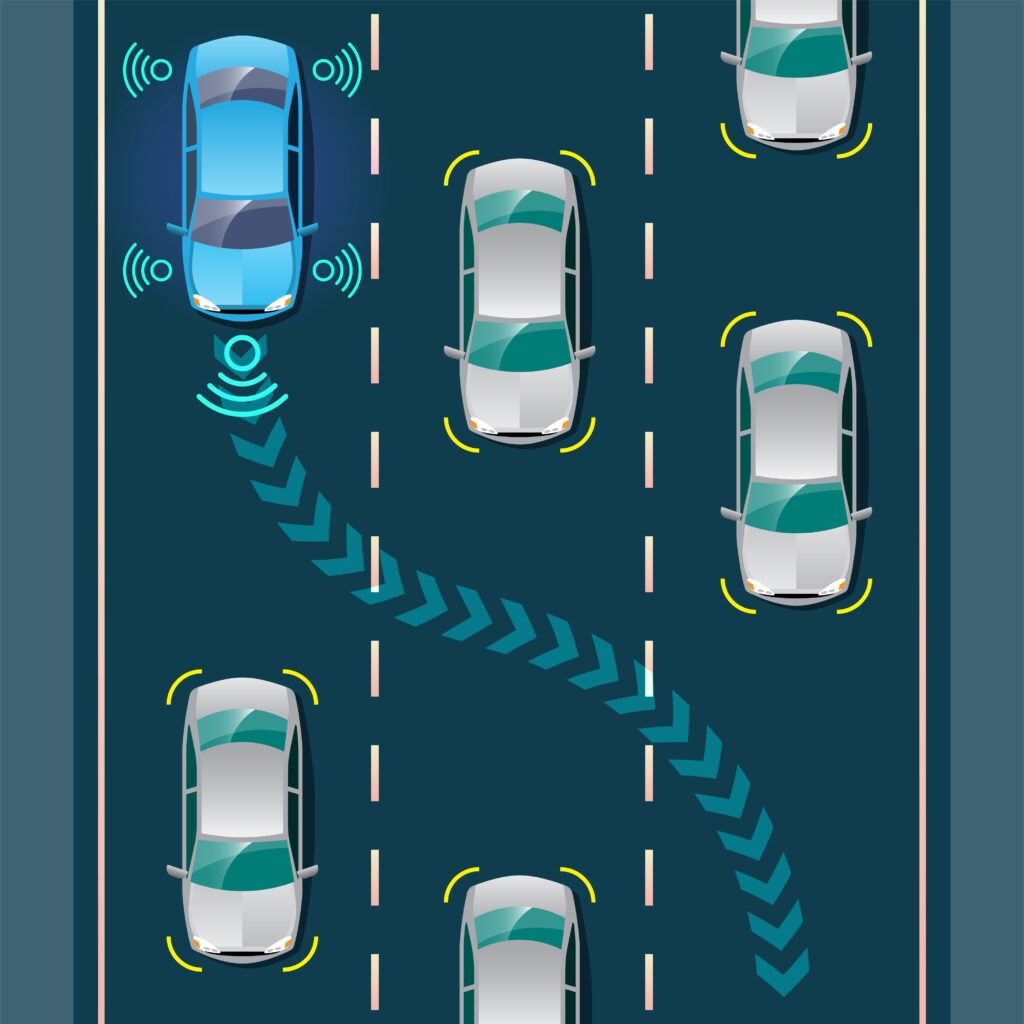
Road safety is another area where AI transportation technology is making a significant impact. Artificial intelligence systems can detect risky driving behavior, predict accidents, and assist drivers in preventing collisions.
Advanced driver assistance systems (ADAS) already use AI technologies to provide features such as:
1. automatic emergency braking
2. lane departure warnings
3. driver monitoring systems
4. collision detection
These technologies help reduce accidents and improve road safety for drivers and pedestrians.
AI in Smart Transportation Infrastructure
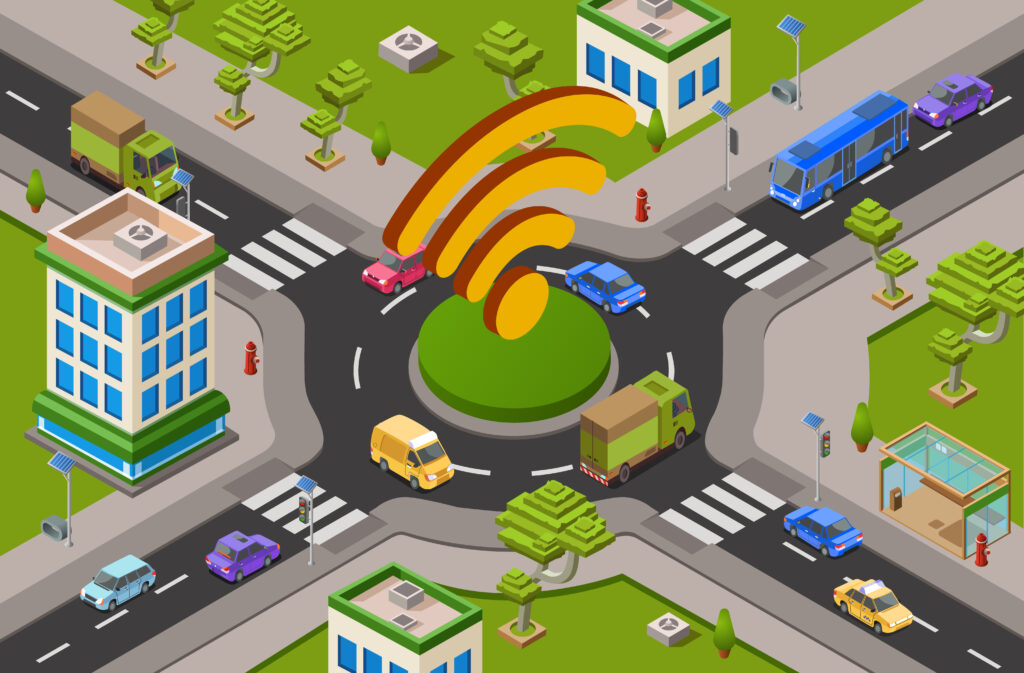
Modern cities are increasingly adopting smart transportation systems powered by artificial intelligence. These systems integrate transportation networks with digital infrastructure to create more efficient mobility solutions.
Smart transportation technologies can include:
1. intelligent traffic monitoring systems
2. predictive maintenance for roads and infrastructure
3. connected vehicle networks
4. integrated urban mobility platforms
Cities around the world are exploring these innovations as part of broader smart city initiatives.
You can learn more about how artificial intelligence technologies are evolving in everyday life on this article from my website:
https://thesiddique.com/amazing-benefits-of-sustainable-living-for-everyday-life/
For additional insights about transportation innovation, organizations like World Economic Forum regularly discuss emerging technologies shaping global mobility.
The Future of AI in Transportation Systems
The future of AI in transportation systems looks extremely promising. As artificial intelligence technologies continue to improve, transportation networks will become more intelligent, efficient, and sustainable.
In the coming years, we may see:
1. fully autonomous public transportation systems
2. AI-powered traffic prediction models
3. integrated smart mobility platforms
4. improved logistics and freight transportation
Artificial intelligence will likely play a central role in creating more connected and efficient transportation systems worldwide.
Conclusion
Artificial intelligence is becoming a critical component of modern transportation systems. From managing traffic flow to enabling autonomous vehicles, AI in transportation systems is transforming how transportation networks operate.
As cities continue to grow and mobility demands increase, artificial intelligence technologies will help create safer, more efficient, and smarter transportation infrastructure.
Understanding how AI transportation technology works will be essential for policymakers, engineers, and everyday users as the future of mobility continues to evolve.
